
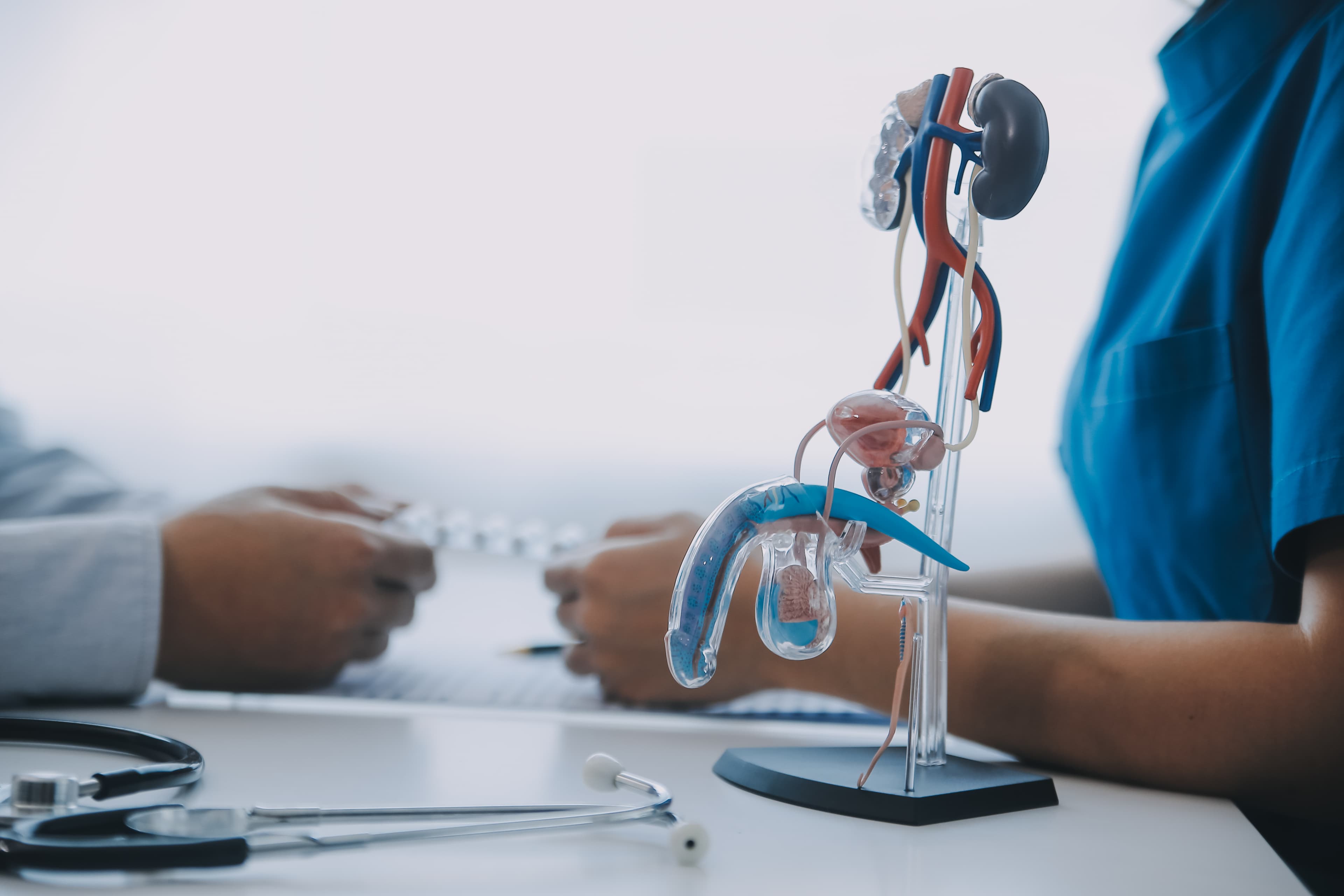
Andrology
Micro-TESE Sperm Retrieval Cost in India
Typical India cost
$1,500–$4,500
USD package range for international patients
Recovery: Day-care or overnight; plan 4–7 days in India
- Visa invitation letter support
- Hospital matching from reports
- Travel & recovery coordination
In short
Micro-TESE Sperm Retrieval in India for international patients typically costs $1,500–$4,500 USD. Treatment is available in Hyderabad, Delhi NCR, Mumbai, Chennai, Bangalore, but candidacy, the final hospital quote, recovery time, and fit-to-fly date require a specialist review of current medical reports. Typical India range: $1,500–$4,500 USD.
Microsurgical testicular sperm extraction and related surgical sperm retrieval (TESA/PESA) for azoospermia, coordinated with ICSI embryology teams for international couples.
What micro-TESE and surgical sperm retrieval involve
When ejaculated semen has no sperm (azoospermia), sperm can sometimes be retrieved surgically for ICSI. Micro-TESE uses an operating microscope to identify fuller seminiferous tubules in non-obstructive azoospermia, improving retrieval chances versus blind biopsies in many series. TESA (aspiration) and PESA (epididymal aspiration) suit selected obstructive cases or specific anatomies. Retrieved sperm may be used fresh with a coordinated egg-retrieval cycle or cryopreserved.
India’s partner fertility and andrology units run combined pathways so embryologists are ready the day of retrieval. Genetic counselling matters for non-obstructive azoospermia — karyotype and Y-chromosome microdeletion results can change prognosis and couple counselling.
International patients should not book micro-TESE as a tourist add-on. Success is probabilistic, not guaranteed. Remote review of FSH, testosterone, testicular exam notes, prior biopsies, and partner age frames honest expectations before flights.
Micro-TESE differs from random TESE by using optical magnification to sample tubules that appear dilated and opaque, which correlate with spermatogenesis more often than scarred areas. Operative time can be long when both testes are explored systematically. Histopathology of sampled tissue may refine future counselling even when sperm are not found for ICSI that day.
Direct answer for international couples: surgical sperm retrieval packages in India commonly cost about $1,500–$4,500 USD before IVF cycle fees, with an estimated male stay of 4–7 days — longer if a fresh ICSI cycle is synchronised with ovarian stimulation.
Who micro-TESE in India is for
Typical candidates have confirmed azoospermia on at least two semen analyses, completed basic hormonal workup, and a partner plan for ICSI. Obstructive azoospermia after vasectomy may prefer reversal or PESA/TESA depending on goals and time since vasectomy. Non-obstructive cases are the classic micro-TESE group.
Travellers from regions with limited microsurgery access choose India for combined retrieval + IVF packages. Triage includes Klinefelter counselling, prior chemo/radiation, undescended testis history, and whether donor-sperm backup should be consented in advance.
Men with cryptozoospermia (rare sperm in ejaculate) sometimes still need retrieval planning if ejaculated sperm are non-usable; that nuance belongs in remote review. Prior unsuccessful conventional TESE does not automatically preclude micro-TESE, but scarred testes are harder and expectations must be reset.
- Two semen analyses showing azoospermia
- FSH, testosterone, and genetics as indicated
- Partner IVF/ICSI timeline aligned
- Plan 4–7 days in India for retrieval ± cryopreservation
- Emotional readiness for possible zero retrieval
Process for international patients
Share labs and partner fertility summary. Centres propose TESA, PESA, or micro-TESE with fresh versus freeze strategies and a written package — sometimes bundled with ICSI. Confirm embryology lab accreditation and cryostorage terms for foreign patients.
On arrival, andrology and reproductive medicine consults finalise the plan. Micro-TESE is performed under anaesthesia with microsurgical exploration; samples go immediately to the embryology lab. Pain control, scrotal support, and antibiotic guidance follow.
If sperm are found, cryopreservation paperwork and export/storage rules are explained. If not, counselling covers donor options or further medical therapy in rare selected protocols. TechdrHealth helps with documentation for your home IVF clinic.
Fresh versus freeze-all strategies hinge on lab confidence with testicular sperm and the female partner’s stimulation response. Some centres prefer freeze-thaw testicular sperm to avoid egg retrieval on a day with zero yield; others argue fresh use in selected cases. Ask which philosophy your lab follows and why.
Consent forms should mention possible testosterone decline, need for hormone follow-up, and the possibility of finding sperm insufficient in number or quality for ICSI even when ‘retrieval positive’ is reported.
Risks, complications, and mitigation
Risks include bleeding, infection, haematoma, testosterone decline after extensive bilateral exploration, anaesthesia events, and failure to retrieve sperm. Multiple prior biopsies can scar tissue and lower yield.
Mitigation includes microsurgical technique, experienced fertility labs, staged decision-making, and preoperative genetic counselling when indicated.
- No sperm retrieved despite micro-TESE
- Haematoma or infection
- Hypogonadism risk after extensive surgery
- Anaesthesia risks
- Cryostorage or shipping logistics issues — clarify early
Recovery timeline and estimated stay in India
Many men go home the same day or after one night. Estimated stay in India is typically 4–7 days: pre-op consults, procedure, early wound check, and lab result counselling. Combined fresh ICSI cycles may extend the couple’s stay to match ovarian stimulation — plan as a fertility trip, not a 48-hour dash.
Scrotal discomfort settles over one to two weeks. Avoid heavy lifting and strenuous exercise until cleared. Fit-to-fly is usually early for uncomplicated retrievals, but follow your surgeon’s advice if haematoma develops.
Schedule semen or lab result discussions before you fly when possible so you leave with a written next-step plan.
Scrotal haematoma risk means you should know how to contact the on-call team after hotel discharge. Supportive underwear, limited walking, and avoiding gym work are standard. If bilateral extensive micro-TESE was performed, energy and libido changes months later should trigger hormone testing — mention this in your aftercare letter.
Cost of micro-TESE in India for foreign patients
Indicative surgical retrieval packages commonly fall around $1,500–$4,500 USD, excluding full IVF/ICSI cycle fees unless bundled. USA directional ranges $8,000–$20,000 for comparable retrieval components; UK and UAE self-pay also typically higher. Combined cycle packages vary widely with stimulation drugs and embryo procedures.
Ask whether microscope fees, anaesthesia, histopathology, cryopreservation of multiple vials, and first-year storage are included. Exclusions often include subsequent IVF cycles, genetic testing of embryos, and donor sperm. Final quotes follow FSH/genetic review.
Price shopping without lab quality comparison is risky — retrieval without competent embryology wastes the surgery.
Hidden cost stacks include genetic tests, multiple cryovials, annual storage, embryo biopsy later, and donor-sperm backup. Request a couple-level budget worksheet before flights. Indian retrieval savings evaporate if the embryology lab cannot handle testicular samples competently — quality is part of value.
Doctor credentials and hospital standards
Look for microsurgeons working inside fertility units with documented retrieval rates they will discuss honestly, and embryology labs experienced with testicular samples. Named-surgeon clarity matters.
TechdrHealth shortlists partner andrology–IVF teams in Hyderabad, Delhi NCR, Mumbai, Chennai, and Bangalore.
Alternatives and related pathways
Obstructive cases may consider reconstructive surgery or simpler aspiration. Donor sperm remains an important option when retrieval fails or genetics counsel against use. Varicocele repair is sometimes discussed before retrieval in highly selected men — not a universal first step.
Clomiphene or hCG protocols are specialist decisions for hypogonadotropic states, not DIY pretreatments before micro-TESE.
For obstructive azoospermia after infection or prior vasectomy, simpler aspiration or reconstruction may outperform micro-TESE. Hypogonadotropic hypogonadism needs endocrine therapy, not first-line micro-TESE. Donor sperm remains a compassionate, effective route when genetics or repeated failures point that way.
How to prepare before you fly
Complete genetic tests if advised before travel. Align partner stimulation calendar if fresh ICSI is planned. Disclose blood thinners and infections. Arrange 4–7 day lodging and attendant support.
Prepare emotionally for binary outcomes and decide donor-sperm backup preferences in advance. Bring prior biopsy slides/reports if they exist.
Stop testosterone if you have been self-medicating — it can shut down spermatogenesis and sabotage retrieval. Disclose anabolic steroid history honestly. Align visas for both partners when fresh cycles are planned, including attendant visas for family support.
Aftercare and fertility next steps
Use scrotal support, ice as advised, and pain medicines safely. Watch for fever or expanding swelling. Confirm cryostorage invoices and contact persons for future thaw cycles.
Hormone follow-up may be needed after extensive bilateral micro-TESE. Coordinate embryo plans with your home clinic using the discharge packet TechdrHealth helps assemble.
Obtain written cryostorage IDs, thaw fees, and destruction policies. If shipping sperm abroad later, start regulatory paperwork early. Share pathology and operative diagrams with any future microsurgeon if a second look is ever considered.
International patients and city options (GEO)
Patients travel for micro-tese sperm retrieval from Nigeria, Kenya, Ghana, Uganda, Tanzania, the UAE, Saudi Arabia, Qatar, Oman, Kuwait, Bangladesh, the United Kingdom, and the United States when waits, device costs, or self-pay quotes at home are high. Partner andrology and urology teams in Hyderabad, Delhi NCR, Mumbai, Chennai, and Bangalore combine English-speaking international desks with transparent USD package outlines.
Plan an India stay of about 4–7 days unless your surgeon clears a shorter or longer buffer. Factor medical-visa invitation letters, attendant lodging near campus, and fit-to-fly clearance into the calendar before you buy non-refundable tickets. TechdrHealth coordinates remote report review, hospital shortlists, and discharge documents for your home clinician.
Couples from Nigeria, Kenya, UAE, Saudi Arabia, Bangladesh, the UK, and the USA frequently choose Indian metros for combined male retrieval and IVF pricing transparency. Pick cities with both microsurgery and embryology depth rather than splitting care across unrelated facilities without coordination.
Micro-TESE Sperm Retrieval cost: India vs other countries
Typical package ranges in USD for international patients. Families from Canada and Australia often convert the mid-range for CAD/AUD planning; UK patients compare against private GBP quotes. Final quotes follow medical review.
India
Baseline
$1,500–$4,500
USA
~4.7× higher
$8,000–$20,000
UK
~2.7× higher
$4,000–$12,000
UAE
~2.3× higher
$3,500–$10,000
Partner hospitals for micro-tese sperm retrieval
Accredited hospitals we coordinate for international patients. Final hospital matching depends on your reports, timing, and clinical fit.
Max Healthcare Delhi
Delhi · NABH
Max network hospitals in Delhi NCR for oncology and multi-specialty medical tourism packages.
View hospital →Olive Hospitals
Hyderabad · NABH
Hyderabad multi-specialty hospital partner for domestic and international patients, with TechdrHealth-coordinated admission and package support.
View hospital →TX Hospitals
Hyderabad · NABH
Hyderabad tertiary-care partner hospital for surgical and critical care pathways coordinated by TechdrHealth.
View hospital →
Why choose India for micro-tese sperm retrieval
TechdrHealth coordinates care across accredited partner hospitals with end-to-end support for visa, travel, and recovery.
- MOUs with 100+ Hospitals Across India
- 30+ Dedicated Care Coordinators
- JCI & NABH Partner Network
- End-to-End Patient Coordination
Procedure steps & recovery
Recovery: Day-care or overnight; plan 4–7 days in India
- 1Share semen analyses, hormone labs, genetics if done, and partner fertility plan
- 2Receive retrieval method recommendation and package estimate (often with ICSI)
- 3Arrive for andrology and embryology coordination
- 4Undergo micro-TESE or alternate retrieval with cryopreservation planning
- 5Pathology/lab report handoff and recovery advice before travel home
Visa assistance for micro-tese sperm retrieval
We help international patients secure India medical visas — including hospital invitation letters and guidance for attendant visas — so travel planning stays aligned with your treatment dates.
Step 1
Share medical reports
Send scans, ultrasound, or surgical notes via WhatsApp so we can match a hospital and prepare your invitation letter.
Step 2
Hospital invitation letter
The partner hospital issues an appointment or invitation letter required for the India medical visa or e-visa channel.
Step 3
Apply & attendant visas
Submit passport, photos, medical documents, and the invitation letter. Family attendant visas can be filed alongside yours.
Step 4
Travel & admission
Once the visa is issued, we help with flights guidance, airport pickup, and hospital admission coordination in India.
Frequently Asked Questions
Indicative retrieval packages often range $1,500–$4,500 USD, usually excluding a full IVF/ICSI cycle unless bundled.
Micro-TESE Sperm Retrieval for international patients
Country guides covering visa, cost planning, and hospital matching for micro-tese sperm retrieval in India.
We’re here to help
Get a free Micro-TESE Sperm Retrieval estimate
Share your reports and we’ll coordinate hospital options, written package costs, visa invitation letters, and travel support — usually within 24–48 hours.