Key takeaway: India offers world-class healthcare at 60-80% lower costs than Western countries, with JCI and NABH accredited hospitals, internationally trained doctors, and comprehensive international patient services making it a leading medical tourism destination.
Why choose India for medical treatment?
India has emerged as a global leader in medical tourism, attracting over 2 million international patients annually. The country offers a unique combination of advanced medical technology, highly skilled doctors trained internationally, English-speaking staff, and significantly lower costs. Many hospitals are accredited by Joint Commission International (JCI) or National Accreditation Board for Hospitals (NABH), ensuring international quality standards.
Key advantages of medical tourism in India
- Cost savings: 60-80% lower costs compared to US, UK, Canada, and Australia
- Quality healthcare: JCI and NABH accredited hospitals with international standards
- Expert doctors: Many surgeons trained at prestigious institutions worldwide
- Advanced technology: State-of-the-art equipment including robotic surgery, advanced imaging, and precision medicine
- No waiting lists: Immediate access to treatment without long waiting periods
- English communication: Widespread English proficiency among medical staff
- Comprehensive services: Dedicated international patient departments with full support
Popular treatments in India
India excels in numerous medical specialties. Explore detailed cost guides for specific treatments:
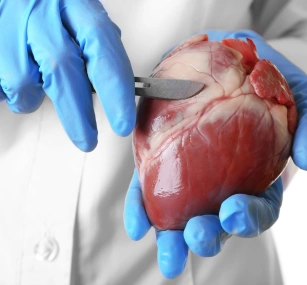
- Heart Surgery - Cardiac procedures including bypass, valve replacement, and angioplasty
- Knee Replacement - Orthopedic surgery with robotic and minimally invasive options
- Cancer Treatment - Comprehensive oncology including surgery, chemotherapy, and immunotherapy
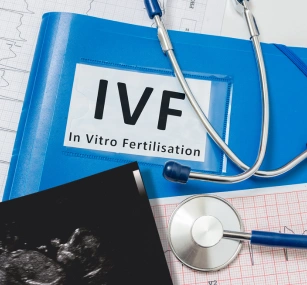
- IVF Treatment - Fertility treatments with high success rates
- Spine Surgery - Neurosurgical procedures including minimally invasive techniques
- Cosmetic Surgery - Plastic and aesthetic procedures
- Dental Implants - Comprehensive dental care and restoration
- Bariatric Surgery - Weight loss procedures
- Liver Transplant - Organ transplantation programs
- Eye Surgery - Ophthalmology including LASIK and cataract surgery
Medical visa process
International patients require a Medical Visa (M-Visa) to travel to India for treatment:
- Hospital invitation letter: Obtain from your chosen hospital confirming treatment plan
- Medical reports: Current medical condition documentation
- Visa application: Submit online through Indian visa portal with required documents
- Processing time: Typically 3-7 business days (varies by country)
- Validity: Medical visas are typically valid for 1 year with multiple entries
- Attendant visa: Up to 2 attendants can get medical attendant visas
Choosing the right hospital
Selecting the right hospital is crucial for successful treatment:
- Accreditation: Look for JCI or NABH accreditation ensuring international standards
- Specialty expertise: Choose hospitals with high volumes in your specific treatment
- Doctor credentials: Verify surgeon qualifications, training, and experience
- Technology: Ensure access to advanced equipment needed for your procedure
- International patient services: Dedicated coordinators, visa assistance, accommodation help
- Outcome data: Request success rates, complication rates, and patient volumes
- Location: Consider major cities (Mumbai, Delhi, Bangalore, Hyderabad) with better infrastructure
Top medical destinations in India
- Mumbai: Leading cancer and cardiac centers
- Delhi NCR: Comprehensive multi-specialty hospitals
- Bangalore: Advanced technology and robotic surgery
- Hyderabad: Cost-effective with quality healthcare
- Chennai: Strong in cardiac and orthopedic care
Cost planning and budgeting
Understanding costs helps in proper planning:
- Treatment costs: 60-80% lower than Western countries
- Travel expenses: International flights, local transportation
- Accommodation: Hospital stays, recovery accommodation ($30-$150 per day)
- Food: Hospital meals, local restaurants
- Visa and documentation: Visa fees, document attestation
- Contingency: 10-15% buffer for unexpected expenses
Travel planning and logistics
Before you travel
- Obtain medical visa and invitation letter
- Book flights with flexible dates (consider recovery time)
- Arrange travel insurance covering medical treatment abroad
- Carry all medical records, imaging, and current medications
- Inform your home country doctor about travel plans
- Pack comfortable clothing, medications, and essential documents
Upon arrival
- Airport pickup arranged by hospital (usually included)
- Initial consultation and evaluation
- Pre-operative tests and clearance
- Treatment planning and scheduling
Accommodation options
- Hospital rooms: Private rooms during treatment (included in package)
- Recovery suites: Extended stay facilities near hospitals
- Hotels: Range from budget ($30/day) to luxury ($150+/day)
- Serviced apartments: Long-term stays with kitchen facilities
- Medical tourism packages: All-inclusive packages with accommodation
Safety and quality assurance
- Hospital accreditation: JCI or NABH ensures international standards
- Infection control: Strict protocols and sterilization
- Emergency protocols: 24/7 emergency services and ICU backup
- Medication quality: FDA/EMA approved drugs and generics
- Language support: English-speaking staff and interpreters
- Legal protection: Understand patient rights and complaint mechanisms
Post-treatment care and follow-up
- Immediate follow-up: Hospital stay and initial recovery monitoring
- Discharge planning: Clear instructions and medication schedules
- Telemedicine: Many hospitals offer remote consultations
- Local coordination: Coordination with home country doctors
- Return visits: Some treatments may require follow-up visits
Common concerns and solutions
Frequently asked questions
Essential documents checklist
- Valid passport (minimum 6 months validity)
- Medical visa and invitation letter
- All medical records and reports
- Recent imaging (CDs/USB drives)
- Current medications list with dosages
- Travel insurance documents
- Emergency contact information
- Power of attorney (if needed)
Getting started: Next steps
- Research: Explore treatment options and read detailed cost guides for your specific procedure
- Consultation: Get virtual consultation with hospitals or medical tourism facilitators
- Compare: Evaluate multiple hospitals, doctors, and treatment plans
- Plan: Arrange visa, travel, accommodation, and treatment schedule
- Travel: Arrive in India with all necessary documents
- Treatment: Undergo treatment with comprehensive support
- Recovery: Follow post-treatment care and recovery protocols
Recommended resources
Explore our comprehensive treatment guides and service pages:
- Cardiac Care in India
- Cancer Treatment in India
- Orthopedic Treatments in India
- Fertility Treatments in India
- Neurology & Neurosurgery in India
- Cosmetic Surgery in India
- Dental Treatments in India
- Eye Care in India
- Organ Transplant Programs in India

References & External Resources
For additional medical information and evidence-based resources, please refer to these trusted sources:
- World Health Organization (WHO) - Global health information and standards
- Mayo Clinic - Medical education and health information
- NHS UK - Health information from the UK National Health Service
- PubMed - Medical research database and scientific publications
Recommended reads
- Heart Surgery Cost in India: Complete cardiac care guide
- Knee Replacement Cost in India: Orthopedic surgery guide
- Cancer Treatment Cost in India: Oncology treatment guide
- IVF Treatment Cost in India: Fertility treatment guide
- Spine Surgery Cost in India: Neurosurgery options
- Cosmetic Surgery Cost in India: Aesthetic procedures guide
- Dental Implants Cost in India: Complete dental care guide
- Bariatric Surgery Cost in India: Weight loss surgery guide
- Liver Transplant Cost in India: Organ transplant guide
- Eye Surgery Cost in India: Ophthalmology treatment options